All Categories
Featured
Table of Contents
The high penetration of 5G and robust digital infrastructure assists in the market development. The strong government financial investment in facilities tasks across numerous industries and well-established research study institutions, technological companies, and start-ups increases need for wise infrastructures. The strong concentrate on structure clever cities and growing adoption of technologies like big data, AI, and IoT help in the market growth.

Additionally, growing urbanization and increasing population in the region increase need for wise infrastructure adds to overall market development. Chicago has started a clever lighting program to set up 270,000 LED lights within 4 years. In the project's first year, the city successfully installed 81,000 LED lights. Due to this initiative, Chicago anticipates yearly cost savings of roughly USD 10 million in energy costs.
The smart facilities market in Asia Pacific is expected to experience the fastest rate of growth. This is influenced by quick urbanization, customer interest in remote management services through IoT innovation, and an increasing web penetration rate. The growth in China's wise infrastructure market is propelled by encouraging federal government initiatives for smart cities and growing issues about energy usage in buildings.
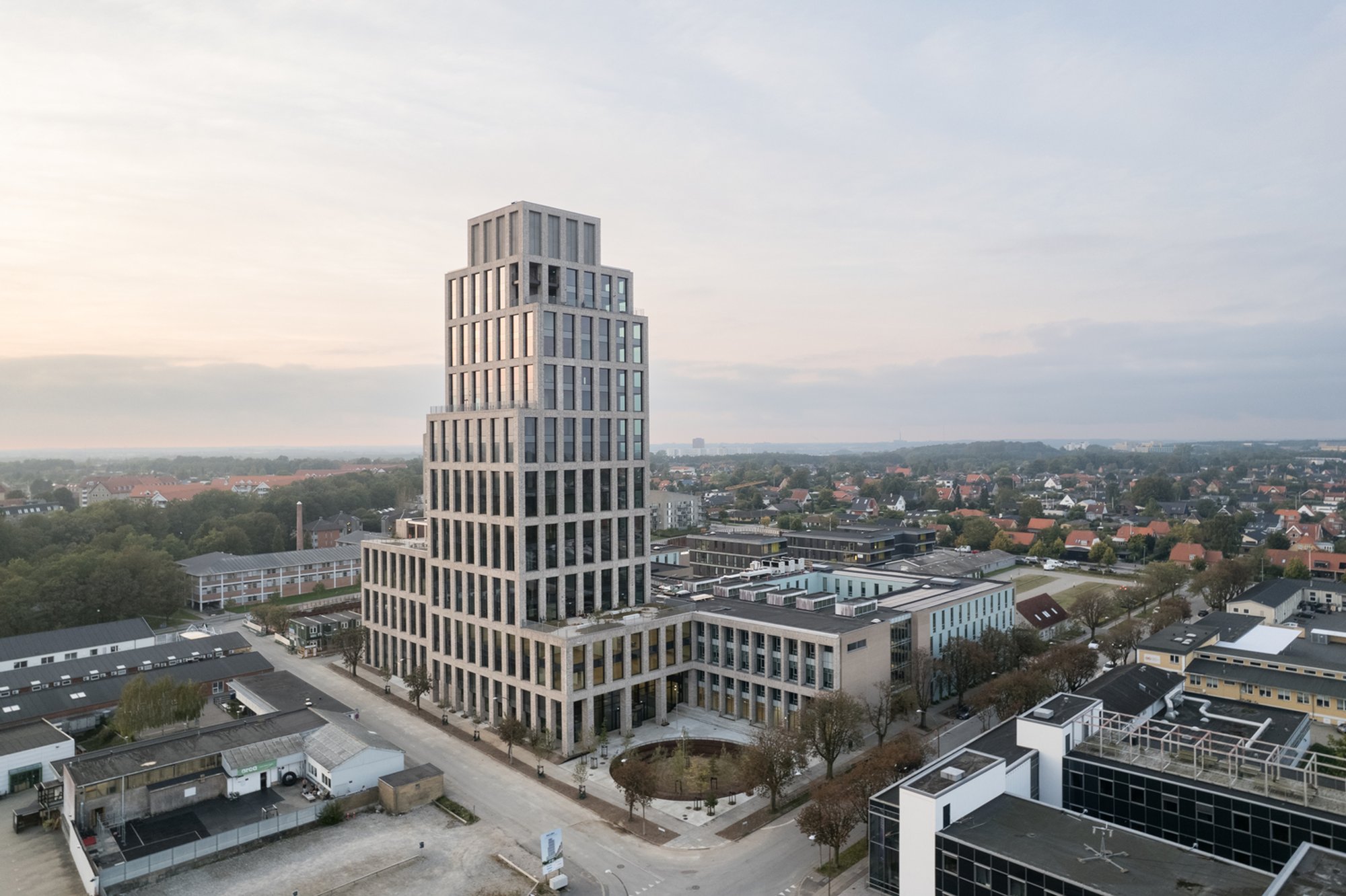
The wise facilities market offers services that incorporate sophisticated technologies and digital systems into physical structures like buildings, transportation networks, and energy grids. It utilizes the Internet of Things (IoT), synthetic intelligence (AI), and information analytics to improve effectiveness, sustainability, and connection. This consists of applications like automated controls in structures, smart transport systems for better traffic circulation, and eco-friendly energy grids for monitoring and handling energy.
Comparing Traditional Enterprise R&D and Modern Infrastructures
The growing consumer focus on the environment and energy effectiveness drives the adoption of wise technologies to optimize energy usage and reduce carbon emissions. The fast growth of urban areas and the increasing population develop a requirement for smart infrastructure options. These options take on difficulties such as growing blockage, reliable resource management, and promoting sustainability within cities, thereby driving the development of the clever infrastructure market.
Governments actively invest in establishing clever infrastructure as part of their economic growth and sustainability goals. These innovations help with real-time monitoring, automation, and data-driven decision-making, boosting the landscape of wise infrastructure.
These systems take advantage of technologies like traffic sensors, adaptive signaling, and connected automobiles to facilitate the effective management of transport networks. The global wise facilities market is experiencing notable growth, mostly fueled by the rising demand for facilities systems that are not only effective but likewise sustainable and resistant. Smart facilities significantly stresses the energy sector, generally through smart grid systems.
Merging Edge Computing with Innovation Workflows
:- The growing urbanization increases need for resilient, efficient, and sustainable clever infrastructure systems. The growing demand for infrastructure like waste management, transport, energy, and many other locations increases the demand for clever systems. Urbanization causes environmental concerns like resource deficiency and contamination. The growing environmental issues increase need for clever facilities, which promotes practices like waste management, green structure, and energy efficiency.
Smart infrastructure systems like energy management systems, smart grids, and other systems lower environmental impact, enhance resource utilization, and enhance energy efficiency.:- The growing combination of IoT and AI and advancements like 5G connectivity develop interconnected wise infrastructure systems. Technologies like AI and IoT aid in real-time data control, collection, and analysis, and build more dependable wise facilities systems.
As more individuals transfer to metropolitan areas, effective management of resources like water, energy, and transportation becomes vital due to increased crowding. The market is likewise growing due to the widespread use of products to minimize traffic blockage, enhance public transit, and lower energy intake and greenhouse gas emissions. Incorporating sophisticated smart options for urban sustainability, lowering carbon footprints, and boosting energy utilization and waste management develops lucrative development opportunities for the market.
Why Green Infrastructure Is No Longer Optional for TechIn addition, various funding options, rewards, and regulatory backing for initiatives like smart cities, transportation upgrades, and eco-friendly energy integration are producing financially rewarding opportunities. The growing worldwide issues about the environment, sustainability, and greenhouse gas emissions further drive the adoption of clever technologies. This trend is attracting personal sector investments and cultivating innovation in the smart facilities market.
As of January 2024, the state Uttar Pradesh in India began dealing with a new vision for Ayodhya. The city is going through advancement based on 8 key ideas, aiming to restore its prosperity and make it a prominent city. The state is focusing on turning Ayodhya into a solar-powered town to decrease its reliance on conventional electrical energy sources.
Top Corporate Digital Developments to Watch 2026
There is a growing demand for smart transport systems (ITS), such as wise traffic management and linked cars. These technologies assist in traffic monitoring, vibrant signaling, and real-time traveler details, resulting in optimized traffic flow, decreased congestion, and enhanced road security. The increasing adoption of smart city tasks utilizing information analytics, IoT, and linked infrastructure is also producing profitable opportunities for clever infrastructure market's expansion.
This cooperation aims to enhance the functional effectiveness of AI-powered facilities and cloud platforms for their clients. The global rise of smart cities and platforms is sustained by the extensive adoption of the Internet and the Internet of Things (IoT). The broadening use of IoT periods industrial applications, emergency situation services, public transport, precaution, city lighting, and overall smart city efforts.
Cisco forecasts that machine-to-machine (M2M) connections supporting IoT applications will consist of over half of the world's 28.5 billion linked gadgets by 2022, with the linked home vertical accounting for a considerable portion of total M2M connections. The items sector took the lead, holding the biggest market share in 2024. This substantial market share results from the growing usage of smart infrastructure hardware and software, consisting of wise grid systems, constructing automation systems (BAS), and Internet of Things (IoT)-based ecological tracking systems.
The item section is expected to continue its dominance in the market until 2033, gaining from continuous technological advancements in establishing clever facilities options. In May 2023, IBM introduced IBM Hybrid Cloud Mesh at ONUG, a software as a service (SaaS) service. This offering empowers enterprises to manage their hybrid multi-cloud facilities effectively.
In the clever facilities market, the service offering segment is to experience the highest substance yearly development rate. This substantial growth is primarily due to companies shifting their focus towards leveraging ingenious facilities services to optimize their spending plans. The clever transportation system sector held the largest share of the clever infrastructure market in 2024 Recent development in computing, interaction sensors, and network speed has permitted a significant overhaul of Traffic management, transport facilities, and car operations.
Mapping the Enterprise Infrastructure Ecosystem of 2026
Beneficial policies and guidelines, increased awareness of road security, and increasing automobiles present many prospective chances in this segment during the forecast duration. In 2022, Tata Motors presented India's first Medium & Heavy Commercial Vehicle (M&HCV) truck powered by Compressed Natural Gas (CNG). Additionally, Tata Motors has actually revealed a state-of-the-art Advanced Driver Help System (ADAS) and improved functions for their popular Prima, Signa, and Ultra truck models to improve driving convenience.

Latest Posts
Accelerating Tech Innovation Cycles for Agility
How Innovation Centers Shape 2026 Growth
Aligning R&D Strategies to Modern Innovation Cycles