All Categories
Featured
Table of Contents
Cities that carry out a structured municipal digital transformation method acquire much better budget allowance, enhanced citizen engagement, and data-driven decision-making capabilities. This is where a clear clever city roadmap becomes your competitive benefit. 15-30% Functional cost decrease through wise facilities optimization 40% Average reduction in energy usage with IoT tracking 3-5 years Typical repayment period for smart city capital expense 60%+ Improvement in emergency reaction times with incorporated systems Application Structure Smart city IoT implementation is the physical structure upon which all analytics and resident services rest.
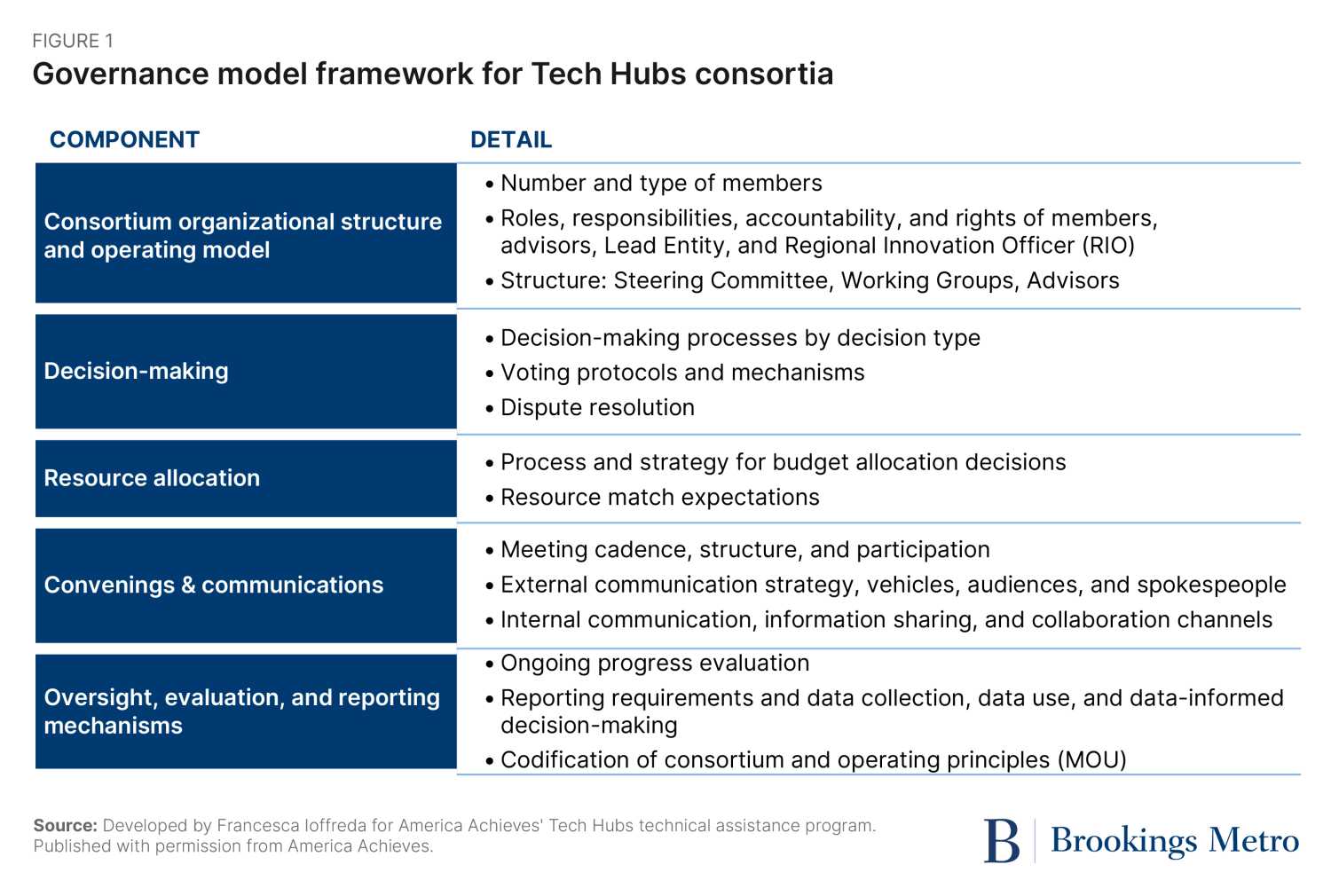
Without comprehensive IoT infrastructure, your information collection abilities stay fragmented and insights remain limited. An effective clever city guide highlights phased IoT rollout: begin with high-impact usage cases (traffic management, energy tracking, public lighting), develop robust connection networks (5G, LoRaWAN, mesh networks), and develop standardized information collection procedures. Lots of municipalities make the mistake of deploying IoT gadgets without merged architecture, leading to information silos and squandered financial investment.
Book a demonstration to see how unified IoT platforms accelerate your smart city timeline. 01 Sensor Implementation and Network Architecture Deploy comprehensive IoT protection across traffic signals, ecological sensing units, energy meters, and public spaces. Develop merged connection through 5G networks and LoRaWAN gateways guaranteeing 99.5%+ uptime with standardized data protocols.
Preserve working infrastructure financial investments while improving information collection abilities. Your IoT implementation directly affects the quality of insights your wise city technique can provide.
Data Intelligence Raw sensor information is worthless without an effective information platform to aggregate, process, and change it into actionable intelligence. Your smart city infrastructure requires a centralized data hub that gathers info from countless sourcesIoT sensors, traffic cams, weather condition stations, resident apps, energy systemsand combines it in formats that analytics and AI models can consume immediately.
Ways to Drive Full-Scale Tech Evolution in 2026
Cities that develop correct data foundations see decision-making cycles compress from weeks to minutes.
Allow any department to query city data without friction or details silos. Real-Time Analytics and Decision Support Deploy streaming analytics that process inbound data continually, identifying patterns and anomalies within seconds for immediate operational improvements. Predictive AI Models for Urban Planning Build machine discovering designs that anticipate facilities demand, person service requirements, and resource requirements.
The distinction in between a struggling clever city execution and a growing one typically comes down to information platform quality. Cities spending 25-30% of wise city spending plans on information infrastructure see 3-4x much faster time-to-value compared to those cutting corners.

The proven approach divides smart city development into unique phases, each delivering measurable value and developing momentum for the next phase. Stage 1 Foundation and Preparation (Months 1-6) Develop your clever city method structure by recognizing concern use cases aligned with city objectives. Conduct detailed assessments of existing facilities, determine IoT implementation places, and construct stakeholder alignment across departments and person groups.
Outcome: Approved wise city roadmap with clear results and stakeholder buy-in Phase 2 Pilot Implementation and Quick Wins (Months 6-12) Launch preliminary smart city implementations in 1-2 high-impact domains (traffic management, parking, street lighting). Release IoT sensors in picked areas, develop connection infrastructure, construct preliminary data platform, and produce very first control panels.
Updating Enterprise Cooling Systems for Sustainable R&D The SignificanceCan the Hub Survive 2026 Innovation Cycles?
Outcome: Pilot success showing 15-25% functional improvement and user adoption above 40% Phase 3 Platform Growth and Integration (Months 12-18) Scale effective pilots throughout the whole city. Broaden IoT release to all prepared locations, integrate extra data sources (utilities, emergency situation services, planning systems), and enhance analytics designs with additional predictive abilities.
Result: City-wide clever city platform with integrated services and measurable ROI accomplishment Phase 4 Optimization and Advanced Abilities (Months 18-24) Fine-tune operations through constant optimization, advanced AI model improvement, and citizen feedback integration. Carry out sophisticated cross-domain optimization that compounds performance gains. Present new services: ecological tracking dashboards, real-time budget tracking, and predictive resource allotment.
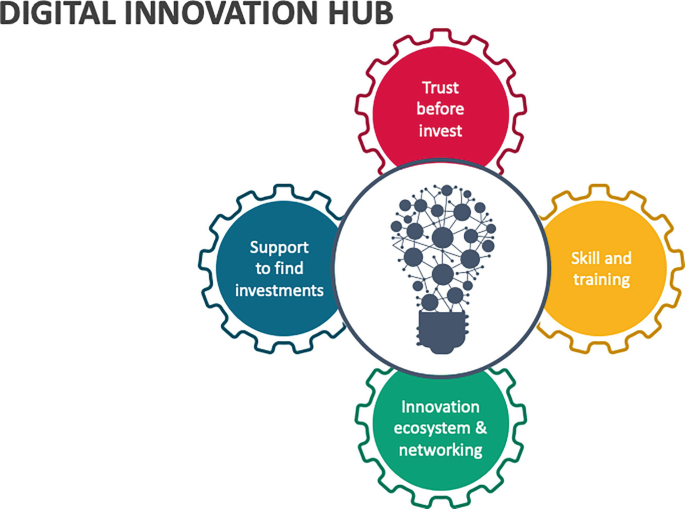
Cities following phased application complete jobs 35% faster, remain within spending plan 80% of the time, and achieve 60%+ higher citizen adoption compared to huge bang approaches. Resident Engagement Smart city infrastructure is successful or fails based on resident adoption and complete satisfaction. The best data and analytics indicate nothing if residents don't understand city services, can't access them easily, or do not trust government with their details.

Latest Posts
Accelerating Tech Innovation Cycles for Agility
How Innovation Centers Shape 2026 Growth
Aligning R&D Strategies to Modern Innovation Cycles